We live in a time of unprecedented change – what does it mean to adapt in 2021? What societal pressures and norms are we forced to adapt to, and what radical potential could autonomous reinvention hold?
Our world’s changing climate is the defining challenge of a generation, and sustainability is the responsibility of all artists, designers and architects. From zero-waste design to architecture that considers rising sea levels, these works range from provocative, to grief-stricken, to cautiously hopeful.

On Human Relationship with Plants: Beyond Plant Blindness.
by
Pauline Barbier


The Ornamental Parts of Life: The Flower & The Fleuron
by
Saskia Wood


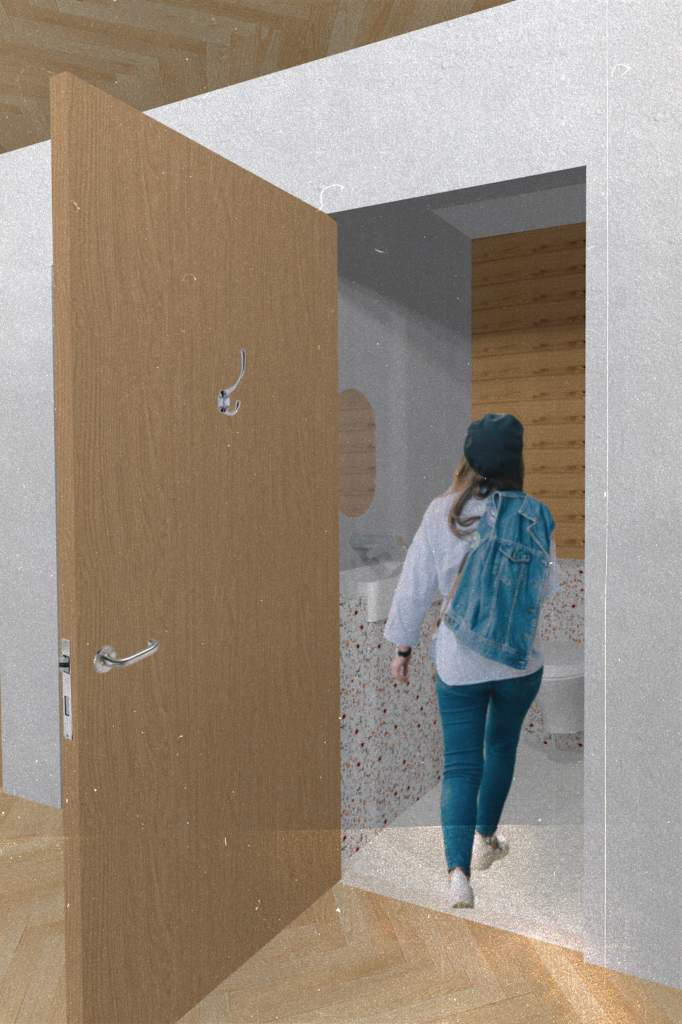
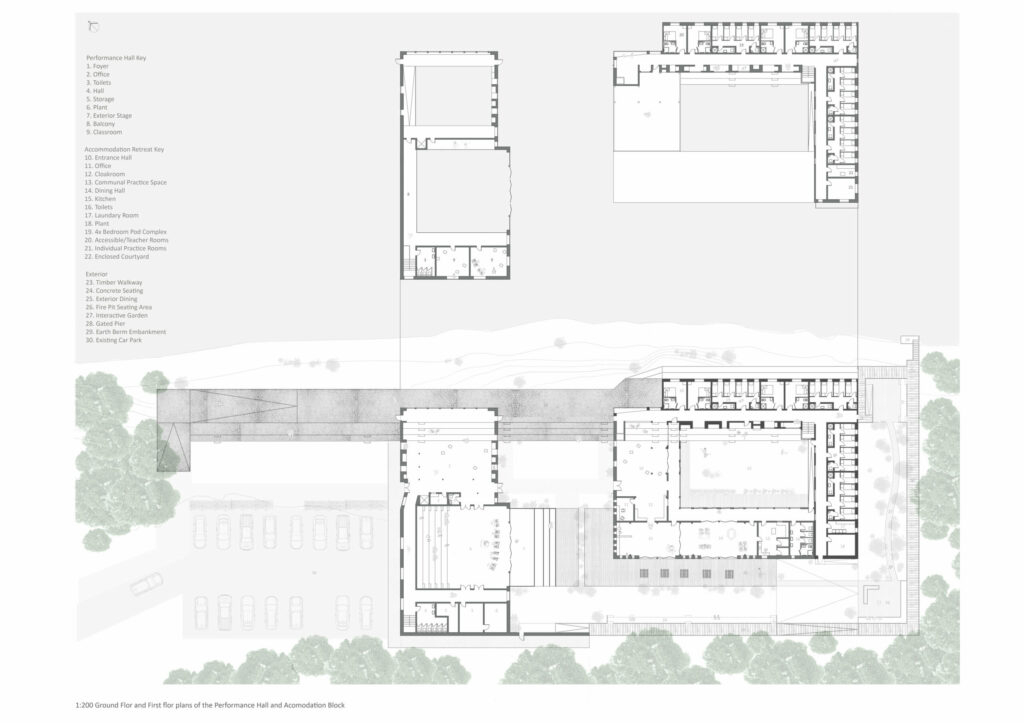
Balloch Project : Performance Hall and Residential Retreat
by
Laura Gorman


“BARRASPEAK” Democratic Discussion Centre
by
Karlis Kukainis

Bridge Gate Market Meets the Union Highline
by
Xanthe Wilkins


Franklin Simão, Balloch Pier Performance Hall and Youth Retreat, 2021
by
Franklin Simão


In a world that has changed irrevocably, where do we go from here? These creative responses take stock of the past 18 months, and consider what a post-pandemic world could look like.
From trans joy to Black feminism; gender fluidity to media representation – these works explore the intersecting aspects, questions and challenges of gender today.
From technology-driven innovations in healthcare to narratives of mental illness, these works reflect on the current state of health and wellbeing, and imagine bold new futures.


The infinite variations of the human brain and differences in sociability, learning, attention and mood are considered and represented here, in work made by and/or for people with neurological differences such as autism and ADHD.
The need to de-colonise the mind, society, creative work, and the educational curriculum is presented with urgency here, alongside numerous intersecting themes of race and identity.
When equals are treated unequally and the unequal treated equally, what is our creative response? These works, often political or philosophical, span issues of race, class equity, isolation, disadvantage, migration and bureaucracy